
GREETINGS FROM SCAVENGERS
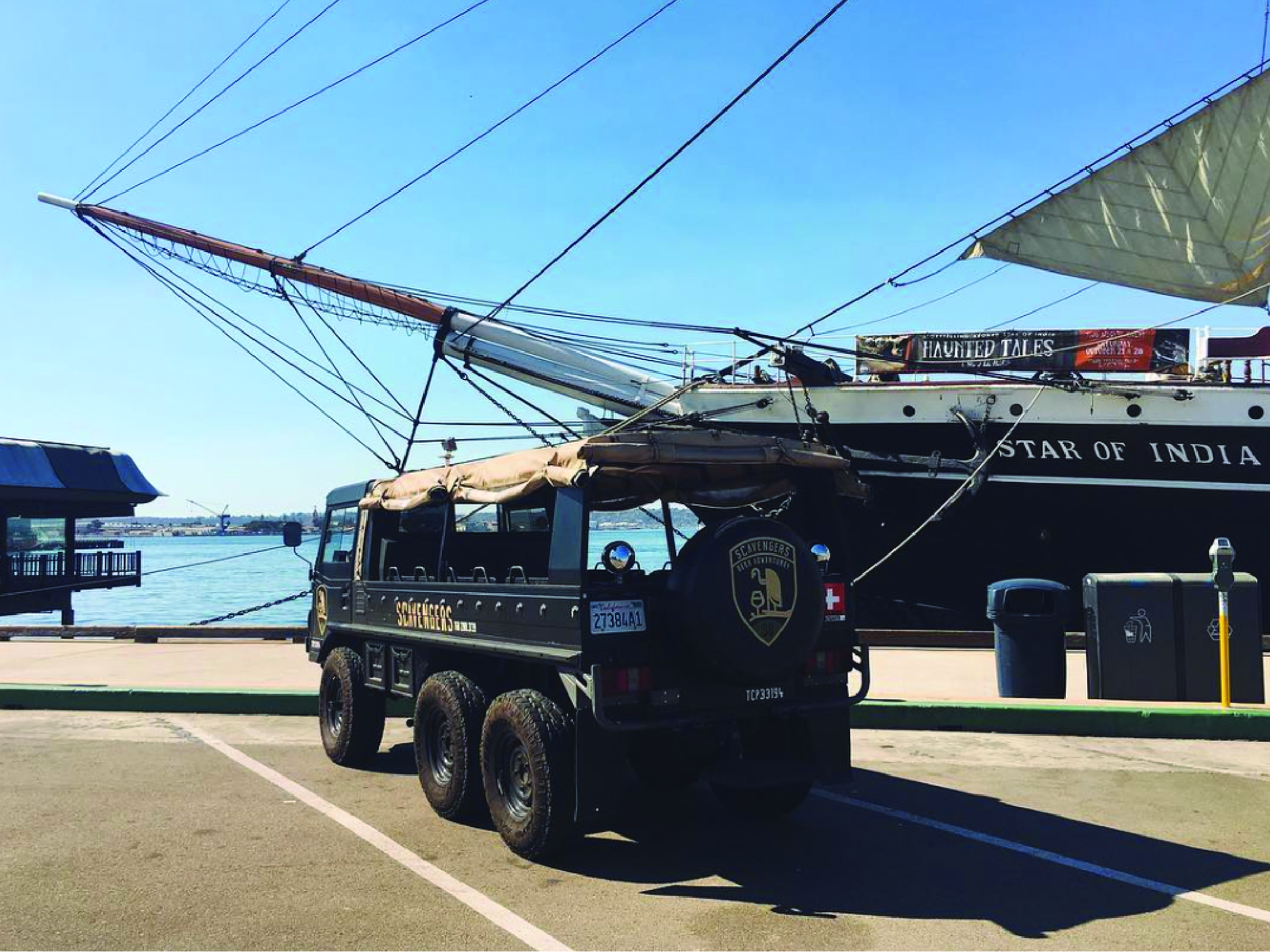
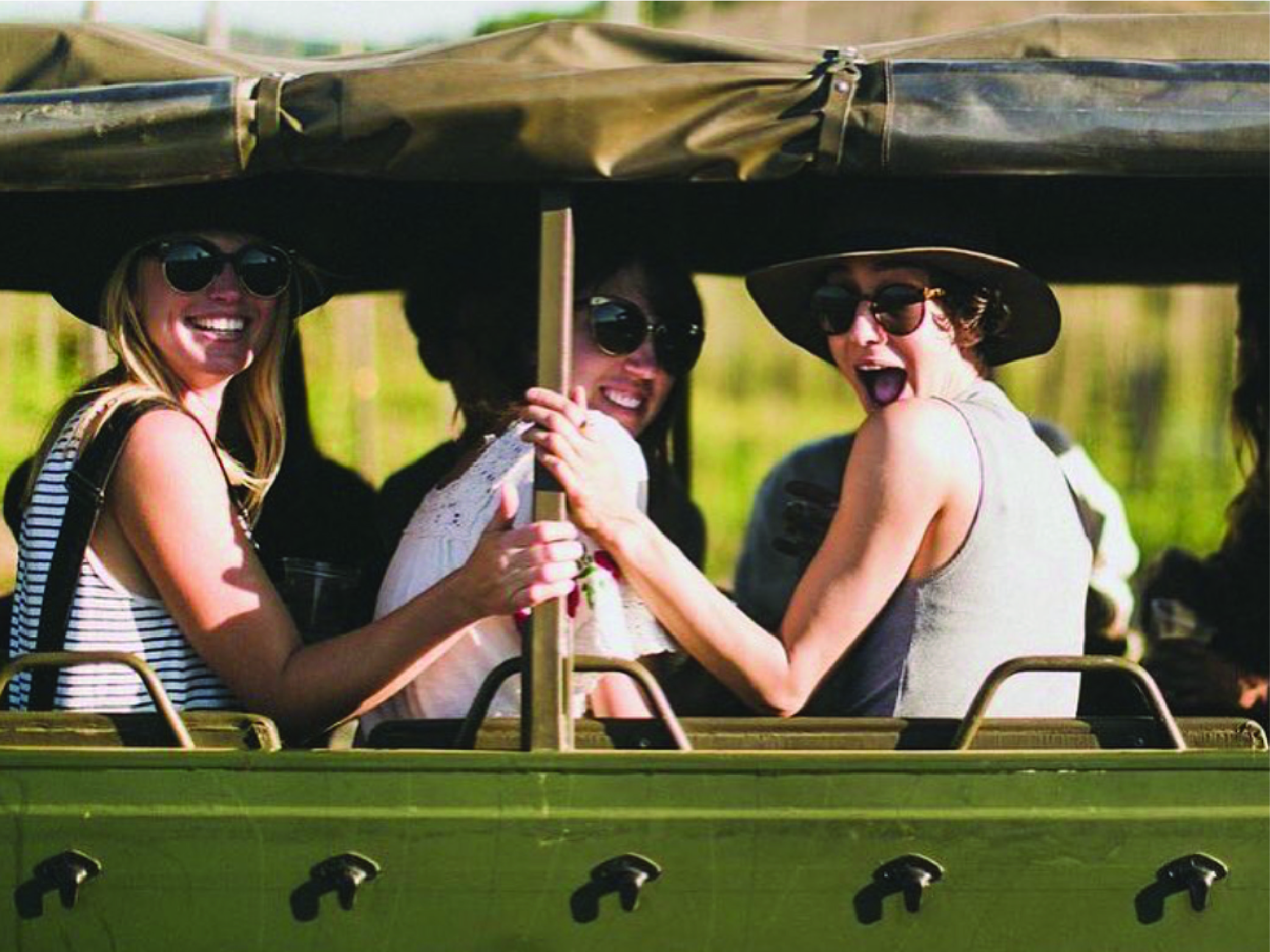
Named one of America's most unique beer tours by Forbes Travel, we've combined San Diego's infamous craft beer scene & world renowned coastline into an all-inclusive beer adventure. Our Vintage Swiss Safari Vehicles are built for an ultimate beer exploration. Drink ice cold road beers in style from one brewery to the next. With 6 rugged wheels, seating for 12, and open air design, these vehicles are sure to make everyone else on the road wishing they were you.
No matter what your beer preference is, San Diego's bustling beer scene offers an assortment of incredible IPA's, Ales, Lagers, Porters, and Stouts... We'll find you whatever your heart desires. Treat yourself to an unforgettable experience. Whether it's family, friends, work buddies, or even just complete strangers, remember... no one does a beer tour like Scavengers!
No matter what your beer preference is, San Diego's bustling beer scene offers an assortment of incredible IPA's, Ales, Lagers, Porters, and Stouts... We'll find you whatever your heart desires. Treat yourself to an unforgettable experience. Whether it's family, friends, work buddies, or even just complete strangers, remember... no one does a beer tour like Scavengers!



SD R.
2023-10-09 19:50:08
Awesome! Had family from out of town and wanted to explore San Diego breweries. After looking at all options I settled on this one because of the vehicle...

Jason T.
2023-07-26 20:43:51
This was my first experience w/ Scavengers Beer & Adventure Tour. First off, they were kind enough to take us on a North County Beer Safari even though...
Lauren C.
2023-07-23 18:16:41
Jevon made this experience absolutely incredible. From explaining the history of the vehicle, to catering to food allergies and making sure everyone in the...

Ramon M.
2023-05-20 14:34:07
The best route and tour guide you can ask for! Very good would recommend! I love beer!!

Maro T.
2023-04-27 11:36:27
Super fun it was worth it ! I definitely recommend this tour if your ever in San Diego.
Brandon H.
2023-04-16 16:54:37
One of the best beer tours I've done! Garrison is a phenomenal driver and tour guide. He had a great list of breweries lined up and took care of booking...
Justin W.
2023-02-20 10:07:51
We took this tour for a bachelor party and it was perfect. It was a fun and unique experience, and our guide, Jevon, made sure we were well taken care of....

Mike T.
2022-09-16 15:45:04
What a cool tour they put on. Kyle was great, very nice and informative of the different locations and history. Really enjoyed it. Being from SD and being...

Alberto G.
2022-08-21 14:36:52
What a great experience. I can't remember the last time I had so much fun. Riding around in the vehicle was great, and our driver, Garrison, was great, and...

Justin P.
2022-07-05 19:52:46
We had a group of four for the Tacos and Tequila tour for Scavengers and it was amazing. Our tour guide Jevon was absolutely amazing and very knowledgeable...
Brooke M.
2022-06-25 15:10:51
SUCH a fun time driving around and going to amazing breweries! Adam was the BEST tour guide, made everything so fun and easy. We truly truly enjoyed our...
Brian S.
2022-04-14 16:05:43
Best. Beer. Tour. Ever. Beer-fueled birthday bash for my boy. Jevon = best guide in all of S.D.
Jennifer M.
2022-03-20 19:32:33
I've gone on this extra fun tour twice now! The first time for MY 65th birthday and again last week for my daughter's 40th! I love being with new people...

Leslie B.
2021-09-14 01:07:23
Me and my boyfriend took this tour on our weekend and San Diego and it was so much fun! Kyle our guide and driver was the most accommodating. I let him know...
Shawn D.
2021-09-05 10:53:38
If you haven't tried this tequila tasting and you're thinking about doing it, 100% book it ASAP. One of the best weekends that I've had!
Got to see amazing...
Leslie R.
2021-09-01 22:14:15
We booked the Tacos & Tequila tour for our bachelorette weekend and it far exceeded all expectations.. Jevon and Dylan were the BEST tour guides. They were...

Amanda S.
2021-08-29 20:47:37
We took the Agave adventure tour for my bachelorette party and had the absolute best time. Jevin and Dillon were amazing, they made the whole tour fun. We...

Scott M.
2020-09-08 18:30:02
This Tour is worth the money and MORE ! Ask for Adam as your driver, the customer service level is beyond expected ! I'm already looking to book my next...
Amber M.
2020-03-09 14:28:15
Honestly, nothing negative to say. This tour is for beer drinkers only! Haha meaning, there's a LOT of beer drinking! It was so much fun! From cruising the...

Danyelle H.
2020-02-23 20:21:55
I had so much fun on this tour and I dont even like beer. We took a Uber to the pick up location . Easy to get to and Zach was waiting for us. Ask for Zach...
Chelsea L.
2020-01-28 14:06:49
My husband and I have gone on the Scavengers Beer Tour twice now and it is always so much fun. We love that Scavengers plans everything out so you can focus...

Tracy K.
2019-11-25 19:50:58
Had a great time with Zach and the north county tour group. We had great beers in route to our first stop at Culver Beer Co - nice selection of beers to...

Nafal Z.
2018-11-10 21:20:00
I've never been on a beer tour so I did my research to make sure we would have a good time on our little mini vacay to SD. I am glad I picked this tour! I...

John G.
2018-10-05 14:33:22
Oh man, if your ever planning a trip to San Diego you gotta do this, so much fun, Zack is an amazing tour guide, a most do in San Diego

charlie p.
2018-05-08 12:33:18
A group of ten of us booked a brew tour with these guys for a bachelor party and it was friggen' great! The hosts were super friendly, knowledgeable (but...

Brent D.
2017-11-16 16:51:23
This was a great way to see a few new breweries and get to ride around Beautiful San Diego in a cool rig. Zach was our driver and beer expert. A great asset...
Questions? Send us a note:
This error message is only visible to WordPress admins
Error: No feed found.
Please go to the Instagram Feed settings page to create a feed.